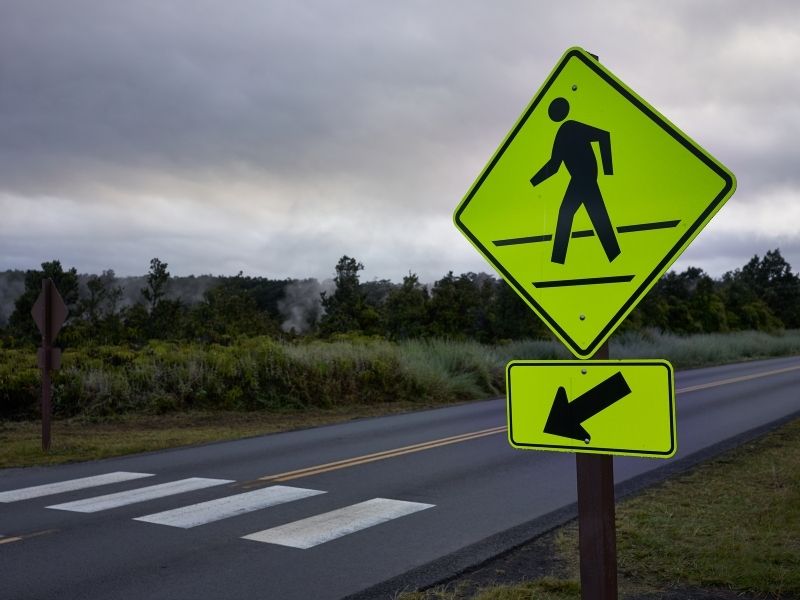
Crossing a wide road can feel like a race against traffic. A pedestrian refuge island gives people a safe place to stop halfway. It is the raised area in the middle of the road where someone can wait for a gap before finishing the crossing. Small design choices decide whether that island truly protects people or just gets in the way. This guide walks through the roadway design that make refuge islands work for everyone who uses them.
Roadway Design Factors That Influence Island Placement
The right spot for a refuge island depends on the road itself. Roadway design starts by looking at how far people must walk to cross. A wide road with many lanes is the hardest to cross in one shot, so it gains the most from a mid-road island.
Traffic speed plays a big role too. Faster cars leave less time for a person to reach the other side. On high-speed roads, a refuge island lets people cross one direction of traffic at a time.
Lane setup and intersection shape also guide placement. Engineers study how lanes line up, where cars turn, and how the corners are built. An island has to fit these features without blocking turns or crowding the travel lanes.
Pedestrian demand seals the decision. Engineers count how many people cross and where they tend to walk. Placing the island on that natural path makes it far more likely people will actually use it. Requirements can vary by road type and local rules, so these factors get checked early.
Island Width, Length, and Accessible Waiting Space
Size is what makes a refuge island feel safe. A narrow island leaves people exposed with traffic close on both sides. The site plan should provide enough space for the refuge island to fit properly within the roadway layout, while roadway design calls for enough width so a person can stand fully clear of moving cars.
Width also has to serve every user. A wheelchair, a stroller, or a bike needs room to fit and turn on the island. Federal accessibility guidance sets a minimum width, and wider is often better where space allows.
Length matters just as much as width. A longer island lines up with the full crosswalk and shelters more people at once. On busy routes, groups of pedestrians may wait together, so the island should hold them without crowding.
The waiting area should feel like a real stopping point. A cut-through at street level or a gentle ramp lets people move onto it with ease. Clear, level space in the middle gives everyone a steady place to pause before the next stretch of road.
The front end of the island also protects people. A raised nose facing traffic shields the waiting area from cars. This small feature gives everyone on the island an extra layer of safety.
Curb Ramps, Detectable Warnings, and Crossing Alignment
Getting on and off the island has to be smooth for everyone. Curb ramps are the sloped openings that let wheels roll from the crosswalk onto the island. Roadway design places and angles these ramps so they point straight along the crossing path.
Detectable warnings guide people who cannot see the edge. These are the panels of raised bumps you feel underfoot at a curb. They tell a person with low vision that they are about to step into the roadway.
Alignment ties the whole crossing together. The crosswalk on one side should line up with the cut-through and the crosswalk on the other side. When these line up, people move in a straight, natural path instead of veering into traffic.
Accessible routes must stay clear from end to end. A ramp that points the wrong way or a gap that is too narrow can trap a wheelchair. Engineers check that the path across the island meets accessibility standards, since these can vary by project and local code.
Small measurements make a big difference here. Ramp slope, landing size, and warning placement all follow set limits. Getting each one right is what keeps the crossing usable for people with disabilities.
Roadway Design Details for Visibility and Driver Awareness
An island only helps if drivers see it in time. Roadway design uses several tools to make refuge islands stand out. Signs, bright markings, and reflective posts all warn drivers that a crossing is ahead.
Pavement markings frame the crossing. Painted crosswalk lines and island outlines catch a driver’s eye from a distance. Fresh, high-contrast paint works far better than worn, faded lines.
Lighting makes a big difference after dark. A well-lit island and crosswalk let drivers spot people waiting to cross. Good lighting also helps pedestrians judge gaps in traffic more safely.
Sight distance is the quiet detail that ties it together. Drivers need a clear view of the island and crosswalk well before they reach it. Signs placed too late or hidden by trees give drivers no time to react, so their location gets checked too. Engineers study the approach and remove blind spots so nothing hides a person stepping off the curb.
Advance warning helps on faster roads. A sign set well ahead of the crossing gives drivers time to slow down. Paired with the island itself, it nudges traffic to expect people at that spot.
Drainage, Maintenance, and Long-Term Island Performance
A refuge island has to keep working for years, not just on opening day. Water is the first thing engineers plan for. Roadway design grades the island and the road so rain drains away instead of pooling at the crossing.
Drainage inlets sit where water would otherwise collect. Placed well, they keep the crosswalk and ramps clear of standing water. A puddle at a curb ramp can block a wheelchair and freeze into a hazard in cold weather.
Upkeep keeps the island safe over time. Leaves, sediment, and trash can pile against curbs and hide the markings. In colder areas, snow pushed by plows can bury a small island, so crews need a plan to clear it.
Material choice affects the long haul. Durable curbs, solid paint, and sturdy signs stand up to weather and traffic. Building the island to last means fewer repairs and a safer crossing every year. Standards can vary by municipality and project scope, so confirm them during design.